Creating Space for Healing
- Janene@Ostara

- Oct 5, 2025
- 2 min read
As someone therapeutically trained, I thought I had a pretty good grasp of grief. I understood the theory. I felt open to it, willing to walk through it when the time came. I believed that by leaning into the process, by allowing myself to feel everything, I could grieve in a way that was healthy. That would allow me to work through it and heal.
But grief is not tidy. It doesn’t follow a syllabus or wait politely until you’re ready. It arrives in waves, unannounced and at times that rarely feel convenient. After all, what are the chances of those waves hitting when you have the space to let them move through you?
And, who can fall apart in the middle of a work meeting, or in the queue at the supermarket? Who can simply put down their responsibilities. Parenting, working, caring for others, keeping homes and lives ticking along, all of this can’t necessarily be put to one side even momentarily to allow for a flood of sadness that decides to crash through at that exact moment.
We live in full, busy schedules. There are always things to do and people to show up for.
So, more often than not, I pushed it down. Not because I didn’t believe in feeling it. As with all of our feelings, even when it’s difficult, I’ve come to believe that the only way forward is through them: to sit with the pain, to heal from within it. But, I’ve learnt that this doesn’t always feel possible.
Because emotion doesn’t always respect timing, it can be hard to respond intuitively, many of us cannot simply follow our emotions the moment they arise. Often, we have to box them off, set them aside, in order to remain functional. To cope.
But, out emotional world is also patient. It waits. Sometimes a wave of emotion arrives when we least want it, but other times it circles back, offering us another chance to feel what couldn’t be felt before. Maybe that’s the closest thing to healing there is. Not a smooth passage through the storm, but a willingness to meet it whenever you are able to make room.
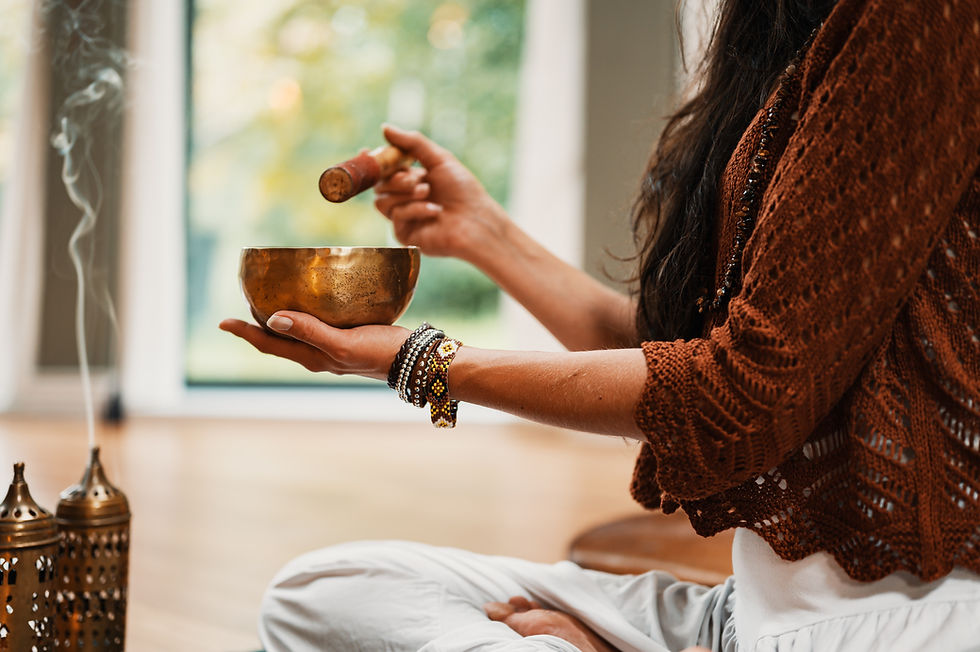
I found that scheduling regular time for emotional processing helped grief to move instead of staying stuck. Practices like sound baths or yoga can gently release tension and support emotional flow. Quiet self-care like walking in nature, meditation, or even just finding a few moments to sit in silence creates space for reflection and feeling without overwhelm. These small, consistent rituals helped my body and nervous system release grief gradually, creating room for peace and healing over time.
Scheduling this kind of emotional self-care isn't about "fixing" our feelings, it's about honouring them. These rituals create a rhythm that reminds your body that it's safe to feel, and they offer consistent pathways for emotion to move, rather than stay stuck.
Over time, that movement has created more space for clarity, peace, and even joy to return.


Comments